
1986 Lesotho Coup D’état: An Analysis
Forty years ago, on 20 January 1986, apartheid South Africa’s pressure, which was applied since the beginning of the year, helped to engineer a coup d’état in Lesotho. The media reported that Lesotho’s armed forces had ousted Prime Minister Leabua Jonathan and installed their commander, Major General Justin Metsing Lekhanya, as head of a military council, in a putsch that sparked wild rejoicing as thousands poured into Kingsway, Maseru’s main street, chanting and waving bamboo fronds.
In 1965, General Lekhanya became the only Mosotho officer heading a paramilitary Police Mobile Unit (PMU) platoon soon after its formation. During the early 1970s, he received various training courses at police academies in South Africa and Rhodesia and later assumed command of the PMU as a Major General in 1975. Lekhanya also oversaw its transformation into the Lesotho Paramilitary Force, later known as the Lesotho Defence Force.
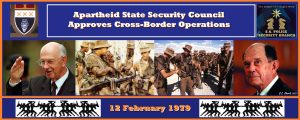
The coup was initiated following apartheid South Africa imposing a near-total blockade on shipments across the border at the start of January 1986, as a way of punishing the Lesotho government for its insistence on harbouring African National Congress (ANC) refugees and refusing to sign a security accord, a non-aggression pact similar to the Nkomati Accord that was concluded with the Mozambican government. Since Lesotho was completely surrounded by South Africa, which also controlled its economy, Lesotho was re