The 26th of July Movement
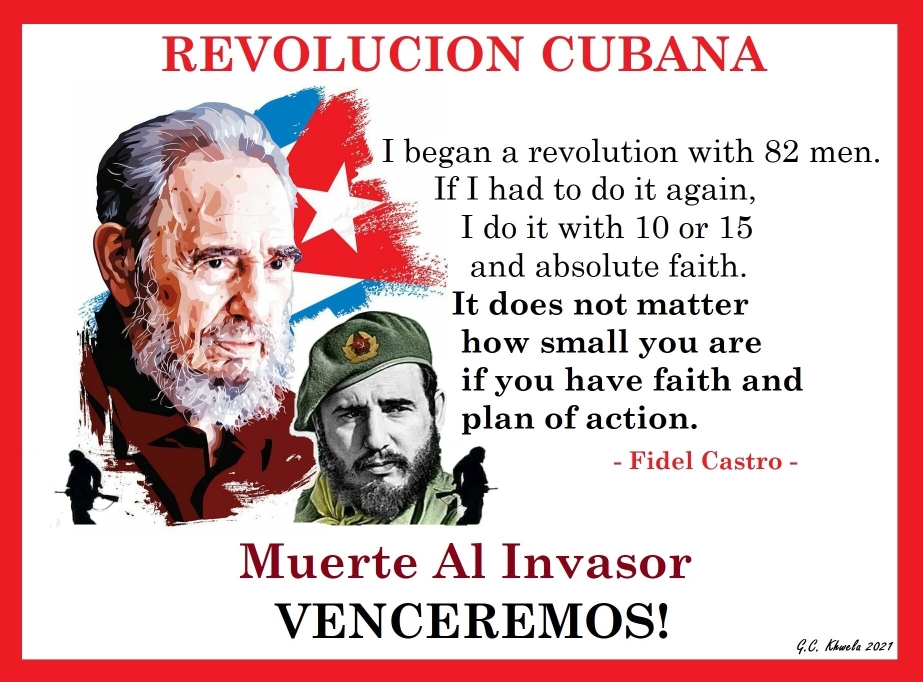
The 26th of July Movement was a revolutionary movement led by Fidel Castro in Cuba that aimed to overthrow the authoritarian regime of Fulgencio Batista, culminating in the successful revolution of 1959. This movement marked a significant turning point in Cuba’s history and symbolised broader themes of decolonisation and anti-imperialism during the Cold War era, as it sought to establish a socialist government free from foreign influence, particularly that of the United States.
The movement was named after the failed attack on the Moncada Barracks on July 26, 1953, which is considered the beginning of Castro’s revolutionary efforts. The 26th of July Movement gained significant support from various segments of Cuban society, including students, intellectuals, and workers disillusioned with Batista’s corrupt regime. After years of guerrilla warfare in the Sierra Maestra mountains, the movement successfully overthrew Batista’s government on 1 January 1959. The revolution not only transformed Cuba but also inspired other revolutionary movements across Latin America and was seen as a challenge to US dominance in the region.
The 26th of July Movement embodied anti-imperialist sentiments by directly opposing the influence and control exerted by the United States over Cuba. The movement sought to liberate Cuba from foreign domination and establish a government that prioritised national sovereignty. Fidel Castro’s leadership emphasised social justice and economic independence, resonating with many countries striving for autonomy from colonial powers during decolonisation.
The success of the 26th of July Movement significantly altered US-Cuban relations, leading to heightened tensions as Cuba aligned itself with the former Soviet Union. The United States viewed Castro’s government as a communist threat in its sphere of influence, resulting in diplomatic isolation, economic embargoes, and military interventions like the Bay of Pigs invasion. This deteriorating relationship exemplified Cold War dynamics where ideological confrontations were played out through regional conflicts.
The successful outcomes of the 26th of July Movement provided a powerful example for revolutionary movements throughout Latin America by showcasing that grassroots efforts could successfully challenge oppressive regimes. The Cuban Revolution inspired guerrilla warfare tactics and socialist ideologies among various revolutionary groups in countries like Venezuela and Bolivia. Additionally, it demonstrated that substantial support could be garnered from marginalised populations seeking social change, thus contributing to a wave of revolutions across Latin America during this period.
Castro Khwela
Good morning fellow Compatriots!🙏🏾✊🏾👊🏾
Discover more from CASTRO KHWELA
Subscribe to get the latest posts sent to your email.