
Inferences
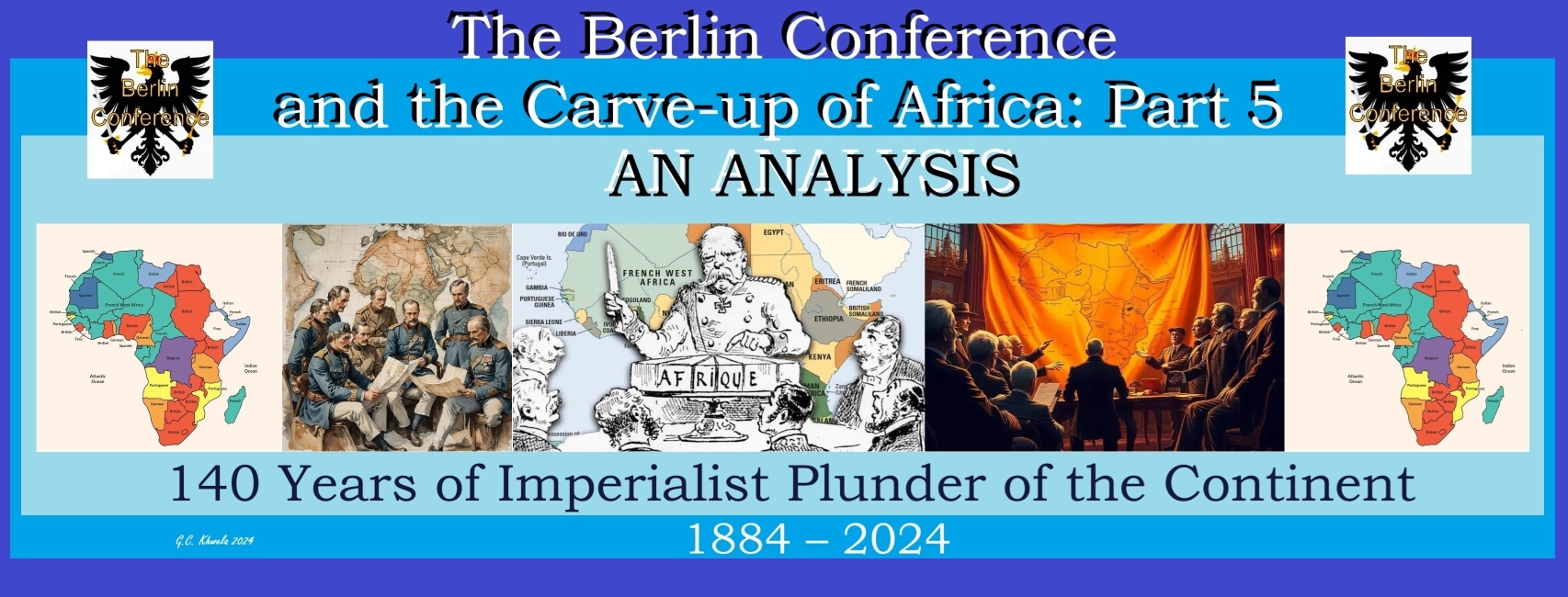
The fight against imperialism in Africa is particularly challenging, with the continent enduring ruthless exploitation and domination by imperialist powers. This was made worse by the collapse of socialism in the former Soviet Union and in Eastern Europe, which had provided an alternative to imperialist world economic domination. The persistent extraction of natural resources by foreign corporations, sometimes in collaboration with corrupt local leaders, has perpetuated poverty in Africa, and reduced its control over its resources. Imperialism in Africa has also led to political instability, as imperialist powers have propped up oppressive regimes to further their interests, resulting in a cycle of tyranny, and a deprivation of fundamental human rights for African people.
Like the bulk of the global economies, particularly those of the global south, the South African economy is undergoing challenges resulting in the persisting crises of poverty, inequalities and unemployment. This results from the remnants of apartheid and insufficient transformation towards inclusive growth and industrialisation. The challenges of insufficient power supply, persisting racial and gender inequalities, as well as underdevelopment issues, compound the difficulties facing the working people. This reality applies to South Africa as it does to the current global economy because capitalism inherently produces and reproduces inequalities of uneven development.
South Africa is not


I believe improving access to and the quality of education (I.e. combatting illiteracy) among others, would contribute a lot to the attainment of that objective