The Struggles of South African Artists
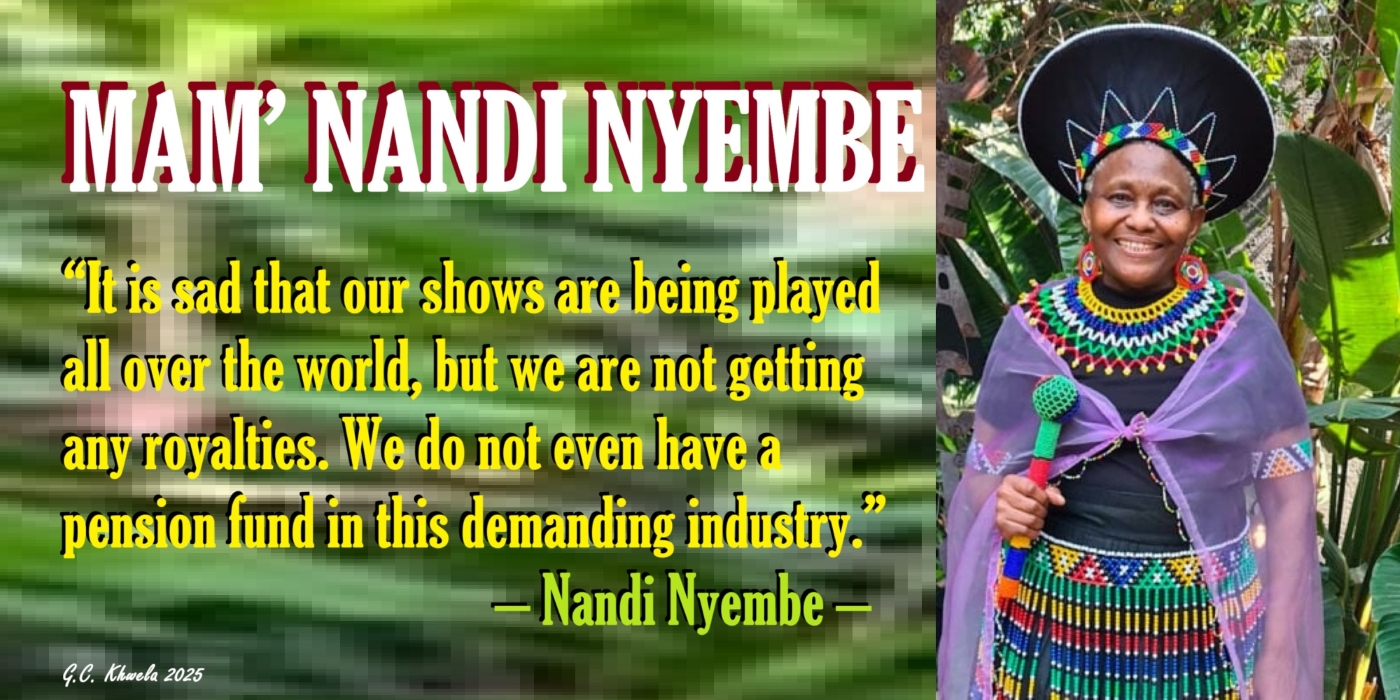
May the Undying Spirit of Mam’ Nandi Nyembe Rest in Eternity🙏🏾
One of the most glaring issues is the status of artists in South Africa. Despite their significant contributions, artists are not recognised as formal employees. This classification subjects them to exorbitant tax rates and denies them the employment benefits enjoyed by other sectors. The result is a precarious existence where many artists struggle to make a living, despite their vital cultural contributions.
In the years following the birth of democracy in South Africa, a coalition of experienced arts practitioners, stakeholders, and government officials crafted the first White Paper on Arts, Culture and Heritage. This document was aimed at establishing a legal framework for the arts, including laws, funding organisations and cultural policies. Despite the promise of this initiative, the implementation of these laws was rather sporadic and at best, inadequate, with many policies remaining unfulfilled over 25 years later.
The promise of state support through funding organisations has also been marred by corruption and mismanagement. Entities such as the National Arts Council (NAC), the Department of Sports, Arts and Culture (DSAC), and the Gauteng Film Commission have become notorious for financial misappropriation and political interference. These institutions, intended to support and nurture artistic talent, have instead become looting grounds for unscrupulous politicians and bureaucrats.
The arts funding model has become a contentious issue, with many questioning who truly benefits from these funds. Instead of fostering a thriving arts community, the allocation of funds often appears to be influenced by nepotism and favouritism, leaving deserving artists without the necessary support.
The systemic failures and injustices within the arts sector have not gone unnoticed. Over the years, artists have resorted to various forms of protest, including picketing, strikes, marches and sit-ins. These acts of resistance highlight the deep dissatisfaction and frustration within the arts community. Organisations like the NAC, DSAC, SAMRO (South African Music Rights Organisation), and SAMPRA (South African Music Performance Rights Association) have found themselves at the centre of these protests, accused of failing the very people they are supposed to serve.
The response from the state has often been heavy-handed. Artists have faced harassment, arrests, and even violence at the hands of the authorities. Such actions starkly contrast with the government’s professed commitment to upholding the rights and freedoms of its citizens.
It’s essential to remember the critical role that artists played during the apartheid era. They were not just entertainers but also educators and activists, using their art to spread messages of resistance and hope. Many artists risked their lives and faced persecution for their contributions to the struggle against apartheid. This historical context makes the current neglect and mistreatment of artists even more egregious.
Artists and their supporters must remember the long history of struggle and the sacrifices made for the nation’s freedom. It’s a moment to demand accountability and to ensure that the next administration takes the needs and rights of artists seriously. The plight of South African artists under the African National Congress’ (ANC’s) six administrations is a tragic tale of broken promises and systemic failure. The initial optimism of democracy has been overshadowed by corruption, neglect, and exploitation. However, the spirit of resistance and the call for justice remain strong within the arts community.
Source: Imbizo, “The Struggles of South African Artists Under the Last Six Government Administrations: A Call for Change”, https://imbizomag.co.za/2024/05/28
Castro Khwela
Good morning fellow Compatriots!🙏🏾✊🏾👊🏾
Discover more from CASTRO KHWELA
Subscribe to get the latest posts sent to your email.